Views: 4 Author: Site Editor Publish Time: 2024-02-28 Origin: Site
Honesun Industrial Co., Ltd. is a leading manufacturer and supplier of high-quality neodymium magnets. With over 20 years of experience in the industry, we have become a trusted name in the market for our reliable and effective magnetic solutions. Our company is committed to providing top-notch products and services to our customers, and we continuously strive to improve and innovate our products to meet the evolving needs of our clients.
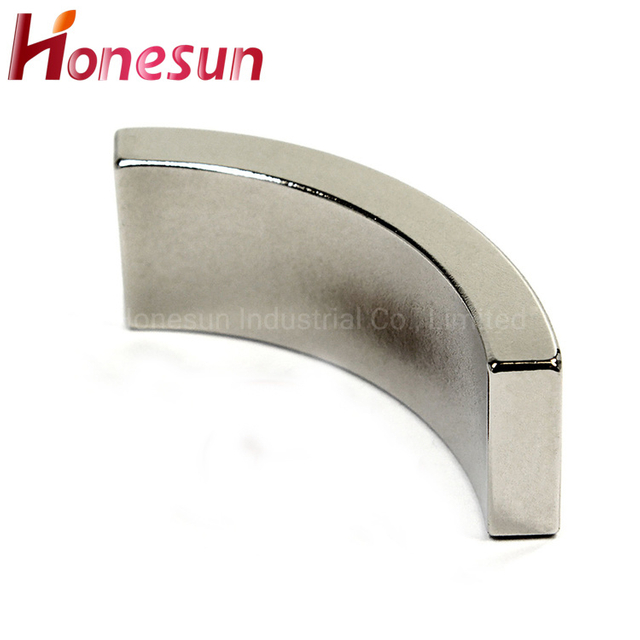
At Honesun, we specialize in producing neodymium magnets, also known as NdFeB magnets. These magnets are made from an alloy of neodymium, iron, and boron, making them the strongest type of permanent magnet available in the market. They have a high magnetic strength, excellent resistance to demagnetization, and can operate at extremely high temperatures. Our neodymium magnets come in a variety of shapes and sizes, including discs, blocks, cylinders, and rings, to cater to different industrial and commercial applications. They are widely used in industries such as electronics, automotive, medical equipment, and renewable energy, and play a crucial role in enhancing the performance and efficiency of products.
We take pride in our advanced production technology and strict quality control processes, ensuring that each magnet meets the highest standards of quality and performance. Our team of experts is dedicated to providing custom solutions to meet the specific needs of our clients. We also offer value-added services such as magnetizing, coating, and cutting to provide a complete magnetic solution to our customers.
In addition to our standard neodymium magnets, we also offer specialized magnetic products, such as magnetic assemblies and rare earth magnets, to meet the diverse demands of our customers. Our company has a strong focus on research and development, and we are continuously developing new products to stay ahead in the market.
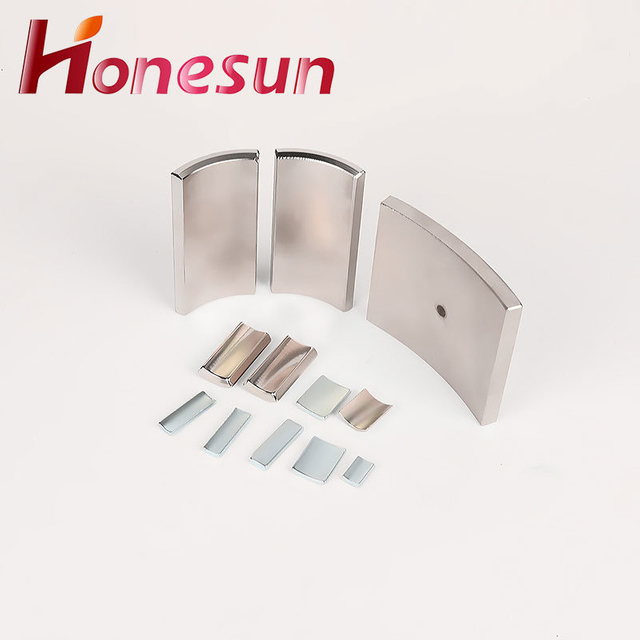
Our ultra-thin design incorporates the powerful properties of neodymium magnets, providing a space-saving solution for a wide range of applications. These magnets are known for their exceptional strength-to-size ratio, making them ideal for use in small and compact devices where every millimeter counts. With our innovative design, we are able to harness the full potential of neodymium magnets while keeping our products sleek and streamlined. Whether it's in consumer electronics, medical equipment, or industrial machinery, our neodymium magnets offer the perfect combination of strength and efficiency in a compact and stylish package. Experience the power of neodymium magnets in our ultra-thin design and see the difference it can make in your daily life.
One of the main advantages of neodymium magnets is their ability to withstand high temperatures without losing their magnetism. This makes them ideal for applications where other types of magnets may fail, such as motors, generators and speakers that operate at high speeds and temperatures. With neodymium magnets, you can trust their reliability and performance, making them valuable components in various industries including automotive, aerospace and electronics. Their high temperature resistance really sets them apart from other magnets, cementing their reputation as the go-to choice for rugged and durable magnetic solutions.
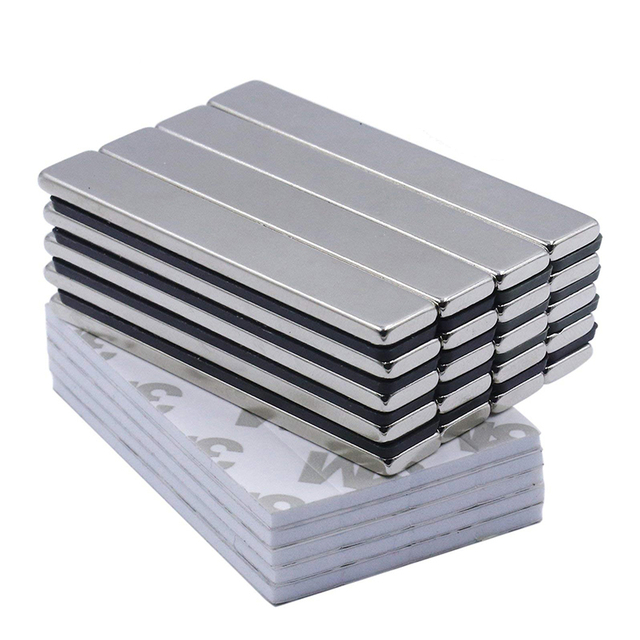
Hi everyone, today we are excited to introduce a revolutionary product to you - the neodymium magnet. Neodymium magnets, also known as rare earth magnets, are currently the strongest type of permanent magnet available. They are made from a combination of neodymium, iron, and boron, giving them immense magnetic power. These magnets are essential in various industries, including manufacturing, aerospace, electronics, and medical fields. They have a wide range of applications, from creating electric motors, generators, and speakers to serving as magnetic closures for purses and jewelry. Compared to other permanent magnets, neodymium magnets have higher flux density and coercivity, making them ideal for high-performance applications. With their small size and powerful magnetic force, these magnets have revolutionized the industry and opened up new possibilities for innovation. We are proud to offer a wide selection of neodymium magnets in various shapes and sizes to meet your specific needs. Give our neodymium magnets a try and see for yourself the endless possibilities they can offer.
1.Are neodymium magnets affected by temperature changes?
Yes, neodymium magnets are affected by temperature changes. They are known to lose their magnetic strength at high temperatures and regain it when cooled back down. This is known as the Curie temperature, which varies depending on the grade of the magnet. Neodymium magnets can also become brittle and more prone to breaking at low temperatures. It is important to consider the temperature range in which the magnet will be used when selecting a neodymium magnet for a specific application.
2.What are the potential dangers associated with handling neodymium magnets?
1. Pinching and Crushing: Neodymium magnets are extremely strong and can easily pinch or crush fingers or other body parts if not handled carefully. This can result in serious injuries such as broken bones, cuts, or bruises. 2. Swallowing: Neodymium magnets are small and can easily be swallowed by children or pets. If multiple magnets are swallowed, they can attract each other inside the body and cause serious damage to the digestive system. 3. Magnetic Interference: Neodymium magnets are very powerful and can interfere with electronic devices such as pacemakers, credit cards, and computer hard drives. This can cause malfunctions or damage to these devices. 4. Flying Objects: If two neodymium magnets snap together, they can create a powerful force that can propel nearby metal objects at high speeds. This can cause serious injuries if the objects hit someone. 5. Skin Irritation: Neodymium magnets are often coated with nickel, which can cause skin irritation or allergic reactions in some people. 6. Eye Injuries: Neodymium magnets can shatter or break into small pieces if they collide with each other or with a metal surface. These small pieces can cause serious eye injuries if they enter the eye. 7. Fire Hazard: Neodymium magnets are highly flammable and can ignite if they are exposed to high temperatures or sparks. This can result in fires or explosions. 8. Chemical Hazards: Some neodymium magnets are coated with toxic chemicals such as nickel, copper, or epoxy. If these coatings are damaged or ingested, they can cause harm to the body. 9. Handling Injuries: Neodymium magnets are very strong and can attract or repel each other with great force. If not handled carefully, they can cause injuries to the hands or fingers. 10. Environmental Hazards: Neodymium magnets are not biodegradable and can release toxic chemicals into the environment if not disposed of properly. This can harm plants, animals, and water sources.
3.What is the difference between neodymium magnets and ferrite magnets?
Neodymium magnets and ferrite magnets are two types of permanent magnets with different properties and applications. The main differences between them are: 1. Composition: Neodymium magnets are made of an alloy of neodymium, iron, and boron (NdFeB), while ferrite magnets are made of a ceramic material called strontium ferrite (SrFe12O19). 2. Strength: Neodymium magnets are much stronger than ferrite magnets. They have a higher magnetic energy product, which means they can generate a stronger magnetic field. 3. Size and shape: Due to their higher strength, neodymium magnets can be made smaller and in more complex shapes compared to ferrite magnets. 4. Cost: Neodymium magnets are more expensive than ferrite magnets due to their higher strength and more complex manufacturing process. 5. Temperature resistance: Neodymium magnets have a higher maximum operating temperature compared to ferrite magnets. They can withstand temperatures up to 200°C, while ferrite magnets can only withstand temperatures up to 250°C. 6. Corrosion resistance: Neodymium magnets are more susceptible to corrosion compared to ferrite magnets. They need to be coated with a protective layer to prevent rusting. 7. Applications: Due to their strength, neodymium magnets are commonly used in high-tech applications such as electric motors, generators, and magnetic resonance imaging (MRI) machines. Ferrite magnets, on the other hand, are used in more traditional applications such as speakers, refrigerator magnets, and magnetic separators. In summary, the main difference between neodymium magnets and ferrite magnets is their strength and cost. Neodymium magnets are stronger but more expensive, while ferrite magnets are weaker but more affordable. The choice between the two depends on the specific application and budget.
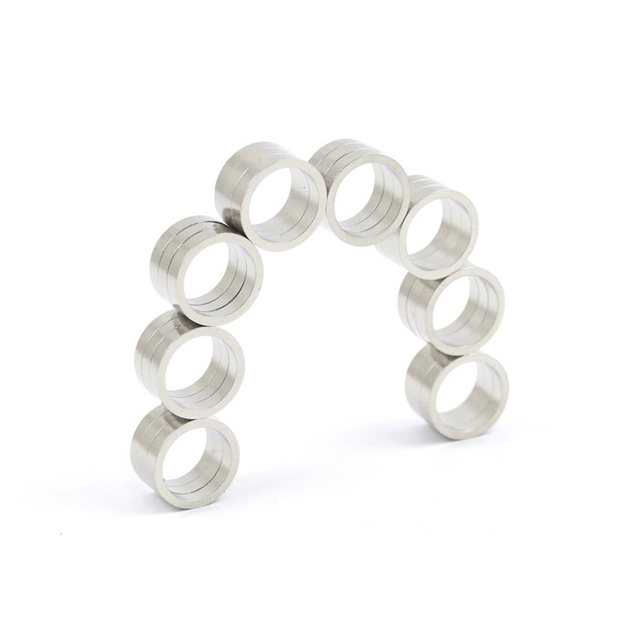
4.How do neodymium magnets contribute to the efficiency of electrical motors and generators?
Neodymium magnets are a type of permanent magnet made from an alloy of neodymium, iron, and boron. They are known for their strong magnetic properties, making them ideal for use in electrical motors and generators. Here are some ways in which neodymium magnets contribute to the efficiency of these devices: 1. High magnetic strength: Neodymium magnets have a very high magnetic strength, which means they can produce a strong magnetic field with a relatively small size. This allows for the creation of compact and lightweight motors and generators, which are more efficient than larger and heavier ones. 2. Low energy loss: Neodymium magnets have a high energy density, which means they can store a large amount of magnetic energy in a small volume. This results in lower energy losses in the motor or generator, making them more efficient. 3. High coercivity: Coercivity is the ability of a magnet to resist demagnetization. Neodymium magnets have a high coercivity, which means they can maintain their magnetic properties even in high-temperature environments. This makes them suitable for use in motors and generators that operate at high temperatures, without losing their efficiency. 4. Better heat dissipation: Neodymium magnets have a high thermal conductivity, which means they can dissipate heat more efficiently. This is important in motors and generators, as excess heat can reduce their efficiency. The high thermal conductivity of neodymium magnets helps to keep the temperature of the device within a safe range, ensuring optimal performance. 5. Improved power density: Power density is the amount of power that can be generated per unit volume or weight. Neodymium magnets have a high power density, which means they can produce more power in a smaller size. This allows for the creation of more compact and efficient motors and generators. Overall, the use of neodymium magnets in electrical motors and generators contributes to their efficiency by reducing energy losses, improving heat dissipation, and increasing power density. This results in more compact, lightweight, and high-performing devices that are essential for various industrial and commercial applications.
5.How do neodymium magnets compare to other rare earth magnets?
Neodymium magnets are a type of rare earth magnet, along with samarium cobalt magnets. They are the strongest type of permanent magnet available, with a maximum energy product (BHmax) of up to 52 MGOe (mega-gauss-oersteds). This makes them significantly stronger than other types of magnets, such as ceramic (ferrite) magnets, which have a BHmax of only 3.5 MGOe. In addition to their strength, neodymium magnets also have a high resistance to demagnetization, making them ideal for use in high-performance applications. They are also relatively inexpensive compared to other rare earth magnets, making them a popular choice for a wide range of industrial, commercial, and consumer applications. However, neodymium magnets are also more brittle and prone to corrosion than other types of magnets, so they require careful handling and protective coatings to prevent damage. They are also sensitive to high temperatures, with a maximum operating temperature of around 200°C, which can limit their use in certain applications. Overall, neodymium magnets are the strongest and most widely used type of rare earth magnet, offering a unique combination of strength, resistance, and affordability.
6.Can neodymium magnets be used in jewelry?
Yes, neodymium magnets can be used in jewelry. They are often used in magnetic bracelets, necklaces, and earrings for their strong magnetic properties. These magnets are typically coated with a protective layer to prevent them from corroding or breaking. However, it is important to note that neodymium magnets can be harmful if swallowed, so caution should be taken when using them in jewelry.
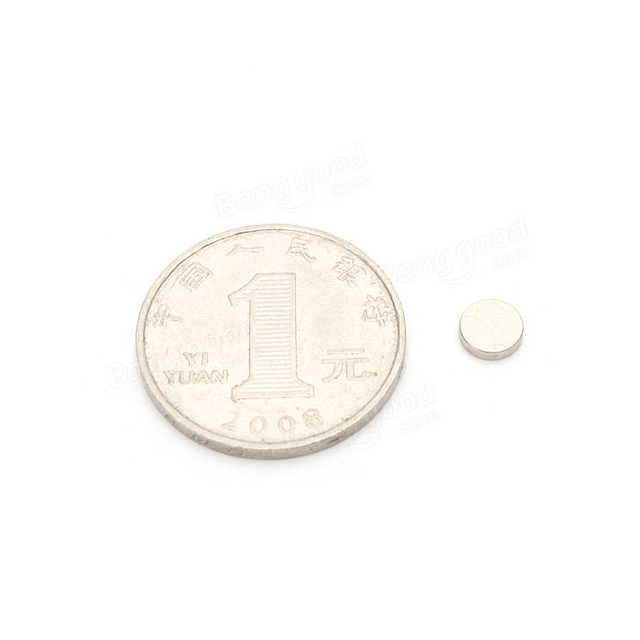
7.What industries rely on neodymium magnets for their operations?
1. Electronics: Neodymium magnets are used in a wide range of electronic devices, including hard disk drives, speakers, headphones, and microphones. 2. Automotive: Neodymium magnets are used in electric motors and hybrid vehicle motors, as well as in sensors, actuators, and other components. 3. Medical: Neodymium magnets are used in medical equipment such as MRI machines, pacemakers, and drug delivery systems. 4. Aerospace: Neodymium magnets are used in aircraft engines, navigation systems, and other critical components. 5. Renewable Energy: Neodymium magnets are used in wind turbines and generators for solar power systems. 6. Industrial Manufacturing: Neodymium magnets are used in various industrial applications, such as magnetic separators, conveyor systems, and lifting equipment. 7. Robotics: Neodymium magnets are used in the motors and sensors of robots, as well as in magnetic grippers and other components. 8. Defense and Military: Neodymium magnets are used in military equipment, including radar systems, missile guidance systems, and magnetic mines. 9. Audio and Music: Neodymium magnets are used in high-end audio equipment, such as headphones, speakers, and microphones. 10. Toys and Games: Neodymium magnets are used in various toys and games, such as magnetic building sets, puzzles, and magnetic levitation toys.
8.How do neodymium magnets contribute to the production of renewable energy?
Neodymium magnets are a key component in the production of renewable energy, particularly in wind turbines and electric motors. These magnets are made from a combination of neodymium, iron, and boron, and are known for their strong magnetic properties. In wind turbines, neodymium magnets are used in the generator to convert the kinetic energy of the wind into electrical energy. The magnets are placed in the rotor, which rotates as the wind blows, creating a magnetic field that induces an electric current in the stator. This current is then converted into usable electricity. In electric motors, neodymium magnets are used to create a strong magnetic field that interacts with the electric current to produce motion. This is particularly important in electric vehicles, where the use of neodymium magnets allows for a more efficient and powerful motor, resulting in longer driving ranges and faster acceleration. The use of neodymium magnets in renewable energy production has several benefits. Firstly, they are lightweight and compact, making them ideal for use in wind turbines and electric motors. This allows for more efficient and cost-effective designs. Additionally, neodymium magnets have a high magnetic strength, which means they can produce more energy with less material, making them more environmentally friendly. Overall, neodymium magnets play a crucial role in the production of renewable energy, helping to make wind turbines and electric vehicles more efficient and sustainable.
9.Are there any potential risks associated with the disposal of neodymium magnets?
Yes, there are potential risks associated with the disposal of neodymium magnets. These include: 1. Environmental hazards: Neodymium magnets contain rare earth metals, which can be harmful to the environment if not disposed of properly. These metals can leach into the soil and water, contaminating them and potentially harming plants and animals. 2. Health hazards: Neodymium magnets are very strong and can cause serious injuries if handled improperly. If they break or shatter, they can create sharp edges that can cut or puncture the skin. In addition, if ingested, they can cause serious internal injuries. 3. Fire hazards: Neodymium magnets are highly flammable and can ignite if exposed to high temperatures. This can be a potential fire hazard if they are disposed of in a landfill or incinerator. 4. Risk to waste management workers: Neodymium magnets are often small and can easily get mixed in with other waste materials. This can pose a risk to waste management workers who may come into contact with them while sorting through waste. 5. Risk of illegal dumping: Due to their small size and high value, neodymium magnets may be illegally dumped in landfills or other areas, leading to potential environmental and health hazards. To avoid these risks, it is important to dispose of neodymium magnets properly. This can include recycling them at a specialized facility or returning them to the manufacturer for proper disposal. It is important to never dispose of neodymium magnets in regular household waste or pour them down the drain.
10.How do neodymium magnets contribute to the functionality of smartphones and other devices?
Neodymium magnets, also known as rare earth magnets, are used in smartphones and other devices for a variety of purposes. Some of the ways in which they contribute to the functionality of these devices include: 1. Speaker and microphone: Neodymium magnets are used in the speakers and microphones of smartphones and other devices to convert electrical signals into sound waves and vice versa. These magnets are lightweight and powerful, making them ideal for producing high-quality sound in a compact device. 2. Vibration motor: Many smartphones use a small vibration motor to alert the user of incoming calls, messages, and notifications. Neodymium magnets are used in these motors to create the vibrations that can be felt by the user. 3. Camera autofocus: Neodymium magnets are also used in the autofocus mechanism of smartphone cameras. These magnets help move the lens in and out to adjust the focus, allowing for clear and sharp images. 4. Compass: Smartphones use a magnetometer, which is a sensor that measures the Earth's magnetic field, to determine the device's orientation. Neodymium magnets are used in the magnetometer to provide accurate readings and help the device determine its direction. 5. Wireless charging: Some smartphones and other devices now support wireless charging, which uses magnetic induction to transfer power from a charging pad to the device. Neodymium magnets are used in both the charging pad and the device to create a strong magnetic field that allows for efficient charging. 6. Magnetic cases and accessories: Many smartphone cases and accessories use neodymium magnets to attach to the device or to each other. This allows for easy and secure attachment without the need for clips or other fasteners. Overall, neodymium magnets play a crucial role in the functionality of smartphones and other devices, helping to make them smaller, more powerful, and more convenient to use.
Honesun Industrial Co., Ltd. focuses on designing, researching, developing, manufacturing and selling Magnets and Magnetic Assemblies. With more than 15 years' rich experience and considerate services.we have been recognized as a reliable.