Views: 7 Author: Site Editor Publish Time: 2024-02-28 Origin: Site
Honesun Industrial Co., Ltd. Neodymium Magnets Company has been committed to providing top-notch neodymium magnets to our customers. Our advanced production facility, located in a modern and well-developed industrial zone, is equipped with the latest technology and machinery, allowing us to produce magnets with precise dimensions, shapes, and magnetic properties.
Our team of experienced and skilled professionals ensures that every magnet we produce meets the highest quality standards. We follow strict quality control procedures at every stage of production, from material selection to final inspection, to ensure that our magnets deliver superior performance and durability.
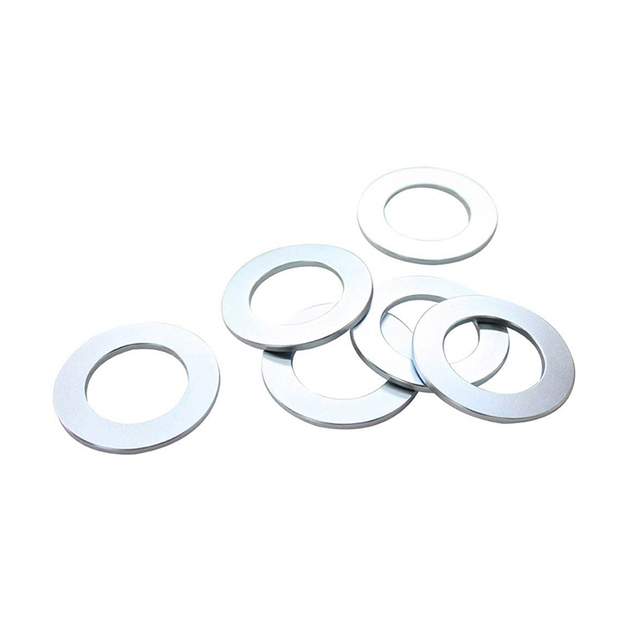
At Honesun, we offer a wide range of neodymium magnets in various shapes, sizes, and grades to meet diverse industry requirements. Our product range includes block magnets, disc magnets, ring magnets, arc magnets, and custom-shaped magnets. We also provide magnet assemblies, such as magnetic filters, magnetic hooks, and magnetic name badge holders. Our neodymium magnets are available in different coatings, including nickel, zinc, epoxy, PTFE, and gold, to meet specific application needs. We also offer magnets with different temperature ratings, ranging from 80°C to 200°C, to ensure their suitability in various environments.
Our magnets are ideal for a variety of applications, such as magnetic separation, magnetic levitation, magnetic resonance imaging (MRI), and magnetic couplings, to name a few. We continue to expand our product range and develop new applications for our magnets, in collaboration with our clients, to cater to their evolving needs.
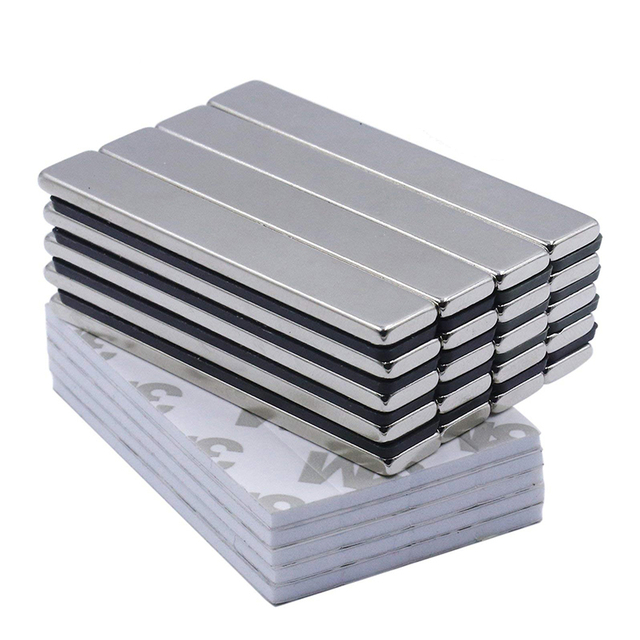
Neodymium magnets are some of the strongest permanent magnets available, with maximum holding powers unmatched by any other type of magnet. These powerful magnets are made from a rare earth mineral that is incredibly strong, making them ideal for securing objects in various settings. From industrial applications to everyday household use, neodymium magnets provide maximum holding power, ensuring your objects stay in place with ease. Their small size and strong magnetic field make them perfect for a wide range of applications, allowing you to safely secure even the most delicate or heavy objects. With neodymium magnets, you can have peace of mind knowing your items will stay securely in place.
Neodymium magnets, also known as rare earth magnets, have the strongest magnetic force among all types of permanent magnets. They are essential components in many modern technologies and applications, ranging from small electronic devices to large industrial equipment. This amazing strength can be attributed to their unique composition of neodymium, iron, and boron atoms, which align in a specific way to create an unparalleled magnetic field. The power of neodymium magnets allows them to attract and hold heavy objects, making them a popular choice in industries such as transportation, healthcare, and renewable energy. Whether you are a scientist, engineer, or simply interested in magnetism, experiencing the impressive force of neodymium magnets is a must.
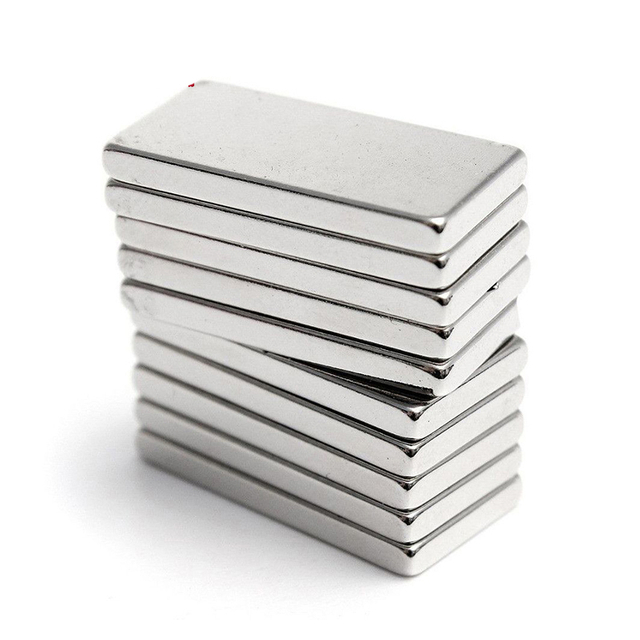
Hi everyone, today we are excited to introduce a revolutionary product to you - the neodymium magnet. Neodymium magnets, also known as rare earth magnets, are currently the strongest type of permanent magnet available. They are made from a combination of neodymium, iron, and boron, giving them immense magnetic power. These magnets are essential in various industries, including manufacturing, aerospace, electronics, and medical fields. They have a wide range of applications, from creating electric motors, generators, and speakers to serving as magnetic closures for purses and jewelry. Compared to other permanent magnets, neodymium magnets have higher flux density and coercivity, making them ideal for high-performance applications. With their small size and powerful magnetic force, these magnets have revolutionized the industry and opened up new possibilities for innovation. We are proud to offer a wide selection of neodymium magnets in various shapes and sizes to meet your specific needs. Give our neodymium magnets a try and see for yourself the endless possibilities they can offer.
1.Are neodymium magnets affected by external magnetic fields?
Yes, neodymium magnets can be affected by external magnetic fields. They are made of a material called neodymium-iron-boron, which is a ferromagnetic material. This means that it can be magnetized and demagnetized by external magnetic fields. If a strong enough external magnetic field is applied, it can cause the neodymium magnet to lose its magnetization and become demagnetized. This is known as magnetic saturation. Additionally, if the external magnetic field is strong enough, it can even reverse the polarity of the neodymium magnet, causing it to repel instead of attract.
2.How do neodymium magnets contribute to the efficiency of electrical motors and generators?
Neodymium magnets are a type of permanent magnet made from an alloy of neodymium, iron, and boron. They are known for their strong magnetic properties, making them ideal for use in electrical motors and generators. Here are some ways in which neodymium magnets contribute to the efficiency of these devices: 1. High magnetic strength: Neodymium magnets have a very high magnetic strength, which means they can produce a strong magnetic field with a relatively small size. This allows for the creation of compact and lightweight motors and generators, which are more efficient than larger and heavier ones. 2. Low energy loss: Neodymium magnets have a high energy density, which means they can store a large amount of magnetic energy in a small volume. This results in lower energy losses in the motor or generator, making them more efficient. 3. High coercivity: Coercivity is the ability of a magnet to resist demagnetization. Neodymium magnets have a high coercivity, which means they can maintain their magnetic properties even in high-temperature environments. This makes them suitable for use in motors and generators that operate at high temperatures, without losing their efficiency. 4. Better heat dissipation: Neodymium magnets have a high thermal conductivity, which means they can dissipate heat more efficiently. This is important in motors and generators, as excess heat can reduce their efficiency. The high thermal conductivity of neodymium magnets helps to keep the temperature of the device within a safe range, ensuring optimal performance. 5. Improved power density: Power density is the amount of power that can be generated per unit volume or weight. Neodymium magnets have a high power density, which means they can produce more power in a smaller size. This allows for the creation of more compact and efficient motors and generators. Overall, the use of neodymium magnets in electrical motors and generators contributes to their efficiency by reducing energy losses, improving heat dissipation, and increasing power density. This results in more compact, lightweight, and high-performing devices that are essential for various industrial and commercial applications.
3.What are neodymium magnets and how do they differ from other types of magnets?
Neodymium magnets, also known as NdFeB magnets, are a type of permanent magnet made from an alloy of neodymium, iron, and boron. They are the strongest type of permanent magnet commercially available, with a maximum energy product (BHmax) of up to 52 MGOe (mega-Gauss-oersteds). They are commonly used in a wide range of applications, including electric motors, generators, magnetic separators, and magnetic resonance imaging (MRI) machines. Neodymium magnets differ from other types of magnets in several ways: 1. Strength: As mentioned, neodymium magnets are the strongest type of permanent magnet available. They have a much higher magnetic energy than other types of magnets, such as ceramic or alnico magnets. 2. Size: Due to their high strength, neodymium magnets can be made much smaller than other types of magnets while still maintaining their magnetic properties. This makes them ideal for use in compact devices and applications where space is limited. 3. Cost: Neodymium magnets are relatively inexpensive compared to other types of magnets, making them a popular choice for many applications. 4. Corrosion resistance: Neodymium magnets are prone to corrosion, so they are often coated with a protective layer of nickel, copper, or other materials to prevent rusting. 5. Temperature resistance: Neodymium magnets have a high Curie temperature (the temperature at which they lose their magnetism), making them suitable for use in high-temperature applications. 6. Brittle: Neodymium magnets are very brittle and can easily break or chip if not handled carefully. They are also susceptible to demagnetization if exposed to strong magnetic fields. Overall, neodymium magnets are a popular choice for many applications due to their high strength, small size, and relatively low cost. However, they do have some limitations, such as their susceptibility to corrosion and brittleness, which must be taken into consideration when using them in different applications.
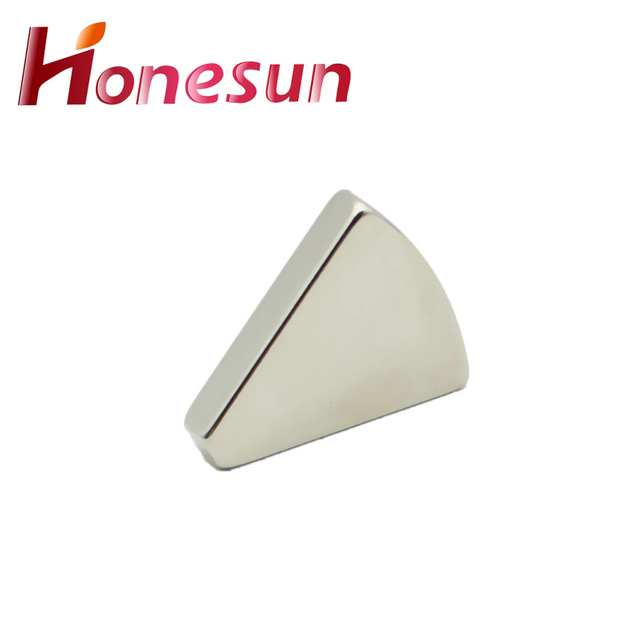
4.How does the production of neodymium magnets impact the environment?
The production of neodymium magnets has a significant impact on the environment due to the extraction and processing of the raw materials, as well as the energy and resources required for manufacturing. 1. Mining and Extraction: Neodymium magnets are made from rare earth elements, including neodymium, which are primarily mined in China. The mining process involves the use of heavy machinery, explosives, and chemicals, which can cause soil erosion, water pollution, and habitat destruction. The mining of rare earth elements has also been linked to human rights abuses and health hazards for workers. 2. Processing: After the raw materials are mined, they are processed using a variety of chemicals and energy-intensive processes. This can result in air and water pollution, as well as the generation of hazardous waste. 3. Energy Consumption: The production of neodymium magnets requires a significant amount of energy, primarily from fossil fuels. This contributes to greenhouse gas emissions and climate change. 4. Waste Generation: The manufacturing process of neodymium magnets produces a significant amount of waste, including toxic chemicals and metal shavings. Improper disposal of this waste can lead to soil and water contamination. 5. End-of-Life Disposal: Neodymium magnets have a limited lifespan and are often discarded after use. The disposal of these magnets can be challenging as they contain toxic materials that can leach into the environment if not properly managed. Overall, the production of neodymium magnets has a considerable impact on the environment, including air and water pollution, habitat destruction, and contribution to climate change. It is essential to implement sustainable practices in the production and disposal of these magnets to minimize their environmental impact.
5.Can neodymium magnets be recycled?
Yes, neodymium magnets can be recycled. They are typically recycled by separating them from other materials using specialized equipment and then melting them down to be reused in new products. Recycling neodymium magnets helps to conserve natural resources and reduce waste.
6.How do neodymium magnets play a role in medical equipment and technology?
Neodymium magnets, also known as rare earth magnets, are a type of permanent magnet that is made from an alloy of neodymium, iron, and boron. These magnets are known for their strong magnetic field and are widely used in various medical equipment and technology. Here are some ways in which neodymium magnets play a role in the medical field: 1. Magnetic Resonance Imaging (MRI) Machines: MRI machines use powerful neodymium magnets to produce detailed images of the body's internal structures. These magnets are used to create a strong magnetic field that aligns the protons in the body's tissues. When radio waves are applied, the protons emit signals that are used to create images of the body's tissues and organs. 2. Magnetic Drug Delivery: Neodymium magnets are used in drug delivery systems to target specific areas of the body. These magnets are incorporated into drug carriers, such as nanoparticles, which can be guided to a specific location in the body using an external magnetic field. This allows for targeted drug delivery, reducing the side effects of medication and improving its effectiveness. 3. Prosthetics: Neodymium magnets are used in prosthetics to provide a secure and comfortable fit for amputees. These magnets are embedded in the prosthetic limb and can be used to attach and detach the limb from the body, providing a more natural and functional movement. 4. Magnetic Therapy: Neodymium magnets are also used in magnetic therapy, a form of alternative medicine that uses magnets to alleviate pain and promote healing. The magnets are placed on the body's acupressure points to stimulate blood flow and reduce inflammation. 5. Medical Devices: Neodymium magnets are used in various medical devices, such as pacemakers, hearing aids, and dental implants. These magnets are used to create a strong and reliable connection between different components of the device, ensuring its proper functioning. In conclusion, neodymium magnets play a crucial role in the medical field, from diagnostic imaging to drug delivery and prosthetics. Their strong magnetic field and versatile properties make them an essential component in various medical equipment and technology, helping to improve patient care and treatment outcomes.
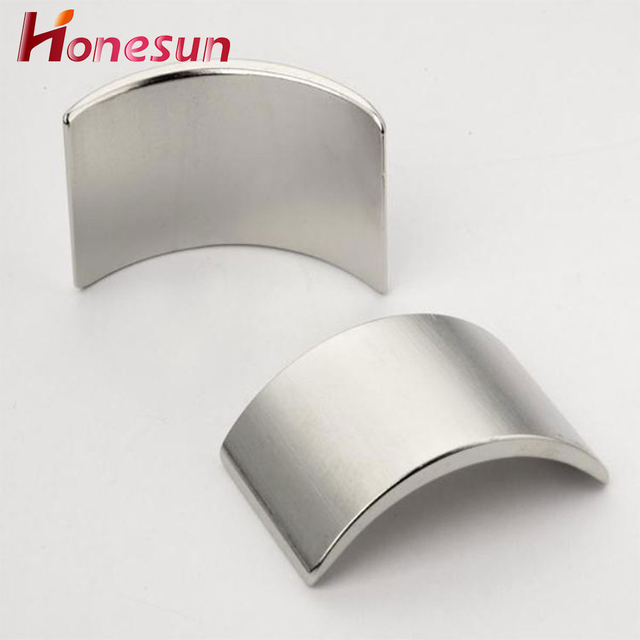
7.What are the potential applications for neodymium magnets in the aerospace industry?
1. Electric Motors and Generators: Neodymium magnets are used in the construction of electric motors and generators in aircraft. These magnets provide high power and torque in a compact size, making them ideal for use in aircraft engines. 2. Actuators and Servo Motors: Neodymium magnets are used in actuators and servo motors in aircraft control systems. These magnets provide precise and efficient movement, making them essential for flight control systems. 3. Magnetic Levitation: Neodymium magnets are used in magnetic levitation systems for aircraft. These systems use the repelling force of magnets to lift and propel the aircraft, reducing friction and increasing efficiency. 4. Sensors and Instrumentation: Neodymium magnets are used in sensors and instrumentation systems in aircraft. These magnets provide accurate and reliable measurements of various parameters such as speed, altitude, and position. 5. Magnetic Bearings: Neodymium magnets are used in magnetic bearings for aircraft engines. These bearings provide smooth and frictionless rotation, reducing wear and tear on engine components and increasing their lifespan. 6. Fuel Efficiency: Neodymium magnets are used in aircraft engines to improve fuel efficiency. These magnets reduce the weight of the engine, making it more efficient and reducing fuel consumption. 7. Magnetic Resonance Imaging (MRI): Neodymium magnets are used in MRI machines, which are used for medical imaging in aerospace applications. These magnets provide a strong and stable magnetic field for accurate imaging. 8. Satellite Technology: Neodymium magnets are used in satellite technology for various applications such as attitude control, solar panel deployment, and antenna positioning. 9. Aerospace Research: Neodymium magnets are used in research and development of new aerospace technologies. These magnets are used in wind tunnels and other testing equipment to simulate the effects of magnetic fields on aircraft components. 10. Spacecraft Propulsion: Neodymium magnets are used in spacecraft propulsion systems, such as ion thrusters. These magnets provide the necessary magnetic fields for the propulsion system to function efficiently.
8.Are there any potential risks associated with the disposal of neodymium magnets?
Yes, there are potential risks associated with the disposal of neodymium magnets. These include: 1. Environmental hazards: Neodymium magnets contain rare earth metals, which can be harmful to the environment if not disposed of properly. These metals can leach into the soil and water, contaminating them and potentially harming plants and animals. 2. Health hazards: Neodymium magnets are very strong and can cause serious injuries if handled improperly. If they break or shatter, they can create sharp edges that can cut or puncture the skin. In addition, if ingested, they can cause serious internal injuries. 3. Fire hazards: Neodymium magnets are highly flammable and can ignite if exposed to high temperatures. This can be a potential fire hazard if they are disposed of in a landfill or incinerator. 4. Risk to waste management workers: Neodymium magnets are often small and can easily get mixed in with other waste materials. This can pose a risk to waste management workers who may come into contact with them while sorting through waste. 5. Risk of illegal dumping: Due to their small size and high value, neodymium magnets may be illegally dumped in landfills or other areas, leading to potential environmental and health hazards. To avoid these risks, it is important to dispose of neodymium magnets properly. This can include recycling them at a specialized facility or returning them to the manufacturer for proper disposal. It is important to never dispose of neodymium magnets in regular household waste or pour them down the drain.
9.Can you give some examples of everyday objects that use neodymium magnets?
1. Headphones: Many high-end headphones use neodymium magnets in their speakers to produce high-quality sound. 2. Refrigerator magnets: Small neodymium magnets are often used in refrigerator magnets to hold notes and photos in place. 3. Electric motors: Neodymium magnets are commonly used in electric motors, such as those found in power tools, fans, and appliances. 4. Hard drives: Neodymium magnets are used in the motors that spin the disks in hard drives, allowing them to store and retrieve data. 5. Magnetic jewelry clasps: Some types of jewelry, such as bracelets and necklaces, use neodymium magnets as clasps for easy fastening. 6. Magnetic knife holders: Neodymium magnets are often used in magnetic knife holders to securely hold knives in place on a wall or countertop. 7. Magnetic door catches: Neodymium magnets are used in door catches to keep doors closed and prevent them from swinging open. 8. Magnetic name tags: Many name tags use neodymium magnets to easily attach to clothing without causing damage. 9. Magnetic phone cases: Some phone cases use neodymium magnets to securely hold the phone in place and allow for hands-free use. 10. Magnetic levitation toys: Some toys, such as magnetic levitation trains, use neodymium magnets to create the illusion of floating objects.
10.How do neodymium magnets play a role in the production of hard disk drives?
Neodymium magnets play a crucial role in the production of hard disk drives (HDDs) as they are used in the motor that spins the disk and the actuator arm that moves the read/write head. These magnets are made from a combination of neodymium, iron, and boron, which creates a strong magnetic field that is essential for the functioning of HDDs. The motor in an HDD is responsible for spinning the disk at high speeds, typically around 5400-7200 revolutions per minute (RPM). This rotation creates a stable platform for the read/write head to access and store data on the disk. Neodymium magnets are used in the motor because they have a high magnetic strength and can generate the necessary torque to spin the disk at high speeds. The actuator arm in an HDD is responsible for moving the read/write head across the disk surface to access different areas for reading and writing data. Neodymium magnets are used in the actuator arm to create a strong magnetic field that interacts with the read/write head, allowing it to move quickly and accurately across the disk surface. In addition to their use in the motor and actuator arm, neodymium magnets are also used in the voice coil motor (VCM) that controls the movement of the actuator arm. The VCM uses the magnetic field generated by the neodymium magnets to precisely position the actuator arm and read/write head. Overall, neodymium magnets are essential components in the production of HDDs as they provide the necessary magnetic strength and precision for the motor, actuator arm, and VCM to function effectively. Without these magnets, HDDs would not be able to spin at high speeds or accurately access and store data, making them a critical component in modern data storage technology.
11.What is the maximum temperature that neodymium magnets can withstand?
The maximum temperature that neodymium magnets can withstand is approximately 80°C (176°F). At temperatures above this, the magnets will start to lose their magnetic properties and may become permanently demagnetized.
12.How do neodymium magnets contribute to the functionality of smartphones and other devices?
Neodymium magnets, also known as rare earth magnets, are used in smartphones and other devices for a variety of purposes. Some of the ways in which they contribute to the functionality of these devices include: 1. Speaker and microphone: Neodymium magnets are used in the speakers and microphones of smartphones and other devices to convert electrical signals into sound waves and vice versa. These magnets are lightweight and powerful, making them ideal for producing high-quality sound in a compact device. 2. Vibration motor: Many smartphones use a small vibration motor to alert the user of incoming calls, messages, and notifications. Neodymium magnets are used in these motors to create the vibrations that can be felt by the user. 3. Camera autofocus: Neodymium magnets are also used in the autofocus mechanism of smartphone cameras. These magnets help move the lens in and out to adjust the focus, allowing for clear and sharp images. 4. Compass: Smartphones use a magnetometer, which is a sensor that measures the Earth's magnetic field, to determine the device's orientation. Neodymium magnets are used in the magnetometer to provide accurate readings and help the device determine its direction. 5. Wireless charging: Some smartphones and other devices now support wireless charging, which uses magnetic induction to transfer power from a charging pad to the device. Neodymium magnets are used in both the charging pad and the device to create a strong magnetic field that allows for efficient charging. 6. Magnetic cases and accessories: Many smartphone cases and accessories use neodymium magnets to attach to the device or to each other. This allows for easy and secure attachment without the need for clips or other fasteners. Overall, neodymium magnets play a crucial role in the functionality of smartphones and other devices, helping to make them smaller, more powerful, and more convenient to use.
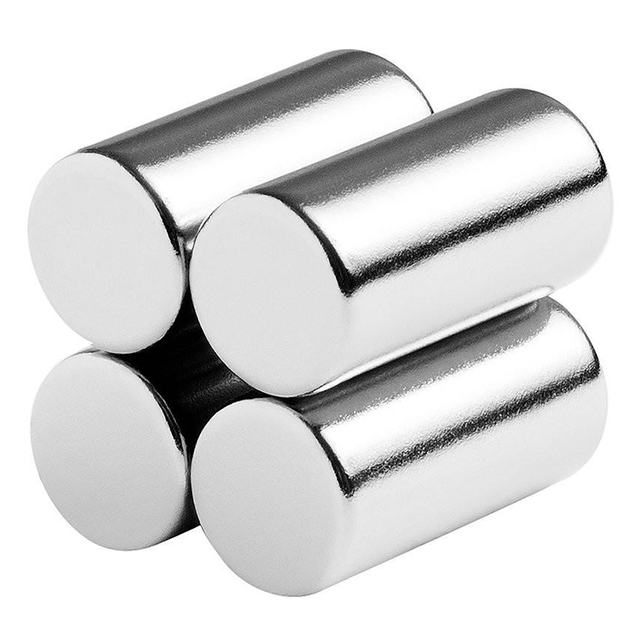
Honesun Industrial Co., Ltd. focuses on designing, researching, developing, manufacturing and selling Magnets and Magnetic Assemblies. With more than 15 years' rich experience and considerate services.we have been recognized as a reliable.