Views: 4 Author: Site Editor Publish Time: 2024-03-28 Origin: Site
Flexible magnets, also known as magnetic sheets, are flexible and versatile materials made of ferrite magnet powder mixed with a synthetic rubber or plastic binder. They are commonly used for a variety of applications due to their unique properties that make them lightweight, durable, and flexible.
In this comprehensive guide, we will explore the various types of flexible magnets, their characteristics, and their wide range of uses.
Types of Flexible Magnets:
1. Magnetic Sheets:
Magnetic sheets are the most common type of flexible magnets. They are available in various sizes and thicknesses, and can be easily cut with scissors, allowing for customization for specific applications. They can also be printed on, making them great for use as promotional magnets.
2. Magnetic Strips:
Magnetic strips are thin, flexible strips of magnets with an adhesive backing on one side. These strips are commonly used for small-scale applications such as crafts and DIY projects.
3. Magnetic Tape:
Magnetic tape is similar to magnetic strips, but it comes in a roll form and can be easily cut to the desired length. It is commonly used for labeling or attaching lightweight objects to magnetic surfaces.
4. Magnetic Receptive Sheets:
Magnetic receptive sheets are made of a flexible but non-magnetic material that can be magnetized to create a temporary magnetic surface. They are often used in combination with other magnets for signs, displays, and packaging.
5. Magnetic Labels:
Magnetic labels are thin, flexible magnets that come in various sizes and shapes. They are commonly used for labeling purposes in warehouses and other industrial settings.
Characteristics of Flexible Magnets:
1. Flexibility:
As the name suggests, flexible magnets are highly flexible and can be bent, twisted, and shaped without losing their magnetic properties. This makes them suitable for applications where a rigid magnet would not work.
2. Lightweight:
Flexible magnets are lightweight compared to other types of magnets, making them ideal for use in applications where weight is a concern. They can also be easily transported, stored, and shipped.
3. Easy to Cut and Customize:
One of the significant advantages of flexible magnets is that they can be easily cut with scissors or a knife, allowing for customization for specific applications. This feature also makes them cost-effective, as they can be cut to the desired size, eliminating waste.
4. Versatile:
Flexible magnets can be printed, painted, or coated with various materials, making them highly versatile. This allows for a wide range of applications, from promotional magnets to industrial uses.
5. Low Cost:
Compared to other types of magnets, flexible magnets are relatively inexpensive. This makes them a cost-effective solution for various applications and industries.
Uses of Flexible Magnets:
Flexible magnets have numerous applications across various industries, including:
1. Signage and Displays:
Flexible magnets are commonly used for signage and displays, both indoors and outdoors. They can be easily printed on, making them a popular choice for promotional magnets, car magnets, and other types of signs and displays.
2. Industrial:
Flexible magnets are used in numerous industrial applications, such as holding tools and metal objects, attaching signs and labels, and securing equipment during transportation.
3. Craft and DIY Projects:
The flexibility and ease of customization make flexible magnets a popular choice for crafts and DIY enthusiasts. They can be easily cut and shaped into various sizes and shapes, making them perfect for creating unique and personalized projects.
4. Teaching Aids:
Flexible magnets are commonly used in educational settings to teach children about magnetism and for interactive learning activities. They are also used in classrooms to display schedules and daily tasks.
5. Household and Office Uses:
Flexible magnets have various household and office uses, such as attaching notes and reminders to a fridge or whiteboard, organizing tools and supplies, and holding up lightweight objects on metallic surfaces.
flexible magnets are versatile, cost-effective, and highly customizable materials with multiple applications across various industries. They offer numerous benefits, making them a popular choice for a wide range of uses. We hope this comprehensive guide has provided you with a better understanding of flexible magnets and their uses.
Say goodbye to constantly replacing magnets that have lost their strength. Our Flexible Magnets are made with a high-quality, long-lasting material that will maintain its magnetic force for years to come. They are also resistant to heat and water, making them suitable for indoor and outdoor use. Invest in our Flexible Magnets and enjoy superior quality and performance.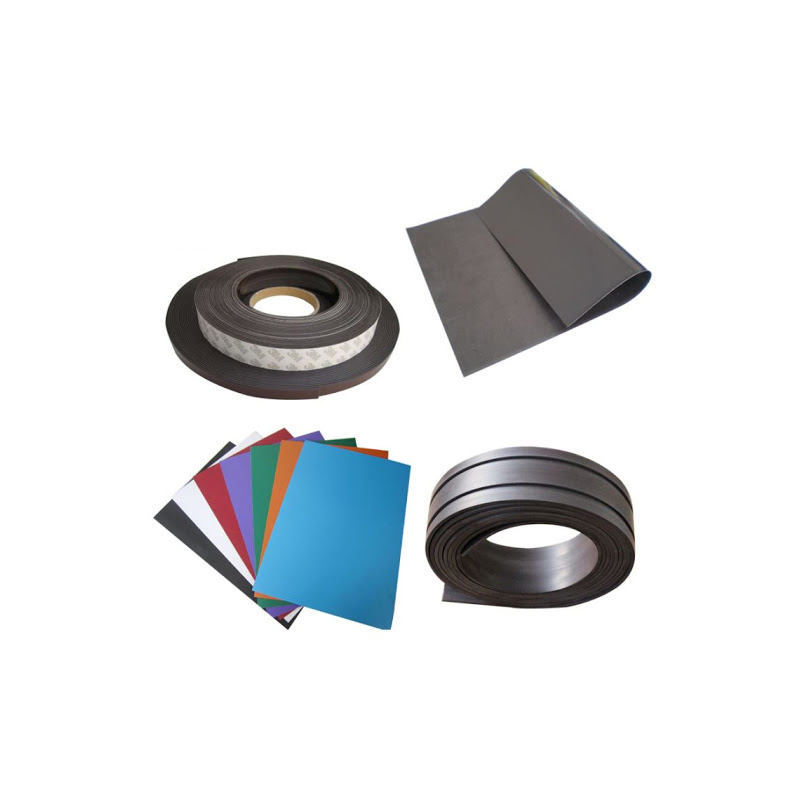
Here are some frequently asked questions about Silicone Glass Lids :
1. Are flexible magnets safe to use?
Flexible magnets are safe to handle and use in most applications. However, precautions should be taken when using them around electronic devices or medical implants, as they may interfere with the operation of these devices.
2. Are there any precautions when storing flexible magnets?
Flexible magnets should be stored in a cool, dry place away from direct sunlight or heat sources. They should also be kept away from magnetic or electronic devices as they may cause interference. It is also important to keep them away from children as they can be a choking hazard.
3. How long do flexible magnets last?
The lifespan of a flexible magnet depends on its material composition and the conditions it is exposed to. Under normal use, quality flexible magnets can last for several years without losing their magnetic properties.
4. Are flexible magnets waterproof?
Flexible magnets are not 100% waterproof, but some varieties are more water-resistant than others. Vinyl-based flexible magnets are generally more water-resistant compared to rubber-based magnets.
5. Can flexible magnets be used outdoors?
Yes, flexible magnets can be used outdoors, but they may degrade over time when exposed to harsh elements. To maintain their effectiveness, it is recommended to use weather-resistant magnets or protect them with a layer of sealant.
6. How can flexible magnets be cleaned?
Flexible magnets can be cleaned with a damp cloth and mild detergent if needed. Do not use harsh chemicals as they may damage the magnet surface. It is also important to dry the magnets thoroughly to prevent rusting.
7. Can flexible magnets lose their magnetic properties over time?
Flexible magnets are highly resistant to demagnetization, but they may lose some of their magnetism over time. This can happen if they are exposed to high temperatures or strong magnetic fields for extended periods.
Honesun Industrial Co., Ltd. focuses on designing, researching, developing, manufacturing and selling Magnets and Magnetic Assemblies. With more than 15 years' rich experience and considerate services.we have been recognized as a reliable.