Views: 5 Author: Site Editor Publish Time: 2024-02-28 Origin: Site
Honesun Industrial Co., Ltd. specialize in producing neodymium magnets, also known as NdFeB magnets, which are the strongest permanent magnets available in the market. These rare earth magnets are composed of neodymium, iron, and boron, and offer high magnetic power and durability. Our products include a wide range of shapes and sizes, such as disc, block, ring, and cylinder. Customized shapes and sizes can also be produced according to customer requirements. Our neodymium magnets have a maximum working temperature of up to 200°C and are available in different coating options, including nickel, zinc, gold, and epoxy. This adds corrosion resistance and enhances the appearance of the magnets.
The exceptional magnetic strength of our neodymium magnets makes them suitable for a wide range of applications, including motors, generators, sensors, and magnetic therapy devices. Our magnets have a high remanence, which refers to the ability to retain a high level of magnetization after being removed from a magnetic field, making them ideal for applications that require a strong magnetic field. Furthermore, our neodymium magnets have a high coercivity, which refers to the ability to resist demagnetization, ensuring long-term stability and reliability in various applications. They also have a high energy product, which indicates the maximum amount of energy that can be stored in a magnet. This allows our magnets to provide powerful and efficient performance.
At Honesun Company, we are committed to providing the highest quality products and excellent customer service. Our strict quality control procedures ensure that all our magnets meet international standards and customer specifications. With a skilled and knowledgeable technical team, we can also provide custom solutions and technical support to meet specific customer needs.
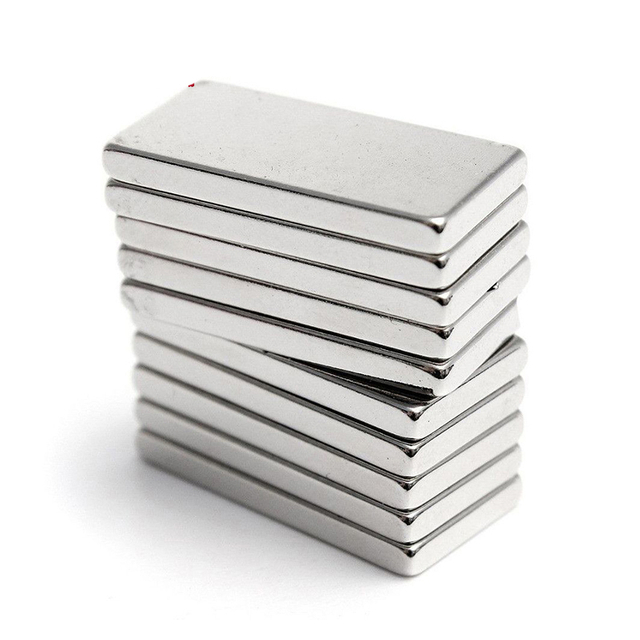
Neodymium magnets, also known as rare earth magnets, have the strongest magnetic force among all types of permanent magnets. They are essential components in many modern technologies and applications, ranging from small electronic devices to large industrial equipment. This amazing strength can be attributed to their unique composition of neodymium, iron, and boron atoms, which align in a specific way to create an unparalleled magnetic field. The power of neodymium magnets allows them to attract and hold heavy objects, making them a popular choice in industries such as transportation, healthcare, and renewable energy. Whether you are a scientist, engineer, or simply interested in magnetism, experiencing the impressive force of neodymium magnets is a must.
Neodymium magnets are some of the strongest permanent magnets available, with maximum holding powers unmatched by any other type of magnet. These powerful magnets are made from a rare earth mineral that is incredibly strong, making them ideal for securing objects in various settings. From industrial applications to everyday household use, neodymium magnets provide maximum holding power, ensuring your objects stay in place with ease. Their small size and strong magnetic field make them perfect for a wide range of applications, allowing you to safely secure even the most delicate or heavy objects. With neodymium magnets, you can have peace of mind knowing your items will stay securely in place.
Hi everyone, today we are excited to introduce a revolutionary product to you - the neodymium magnet. Neodymium magnets, also known as rare earth magnets, are currently the strongest type of permanent magnet available. They are made from a combination of neodymium, iron, and boron, giving them immense magnetic power. These magnets are essential in various industries, including manufacturing, aerospace, electronics, and medical fields. They have a wide range of applications, from creating electric motors, generators, and speakers to serving as magnetic closures for purses and jewelry. Compared to other permanent magnets, neodymium magnets have higher flux density and coercivity, making them ideal for high-performance applications. With their small size and powerful magnetic force, these magnets have revolutionized the industry and opened up new possibilities for innovation. We are proud to offer a wide selection of neodymium magnets in various shapes and sizes to meet your specific needs. Give our neodymium magnets a try and see for yourself the endless possibilities they can offer.
1.What precautions should be taken when handling neodymium magnets?
1. Wear protective gear: Neodymium magnets are very strong and can easily pinch or crush fingers. It is important to wear protective gloves and safety glasses when handling them. 2. Keep away from electronic devices: Neodymium magnets are very powerful and can interfere with electronic devices such as pacemakers, credit cards, and computer hard drives. Keep them at least 20 cm away from these devices. 3. Store properly: Neodymium magnets should be stored in a cool, dry place away from other magnets or magnetic materials. They should also be kept away from children and pets. 4. Handle with care: Neodymium magnets are brittle and can break easily if dropped or slammed together. Handle them with care to avoid damage. 5. Keep away from metal objects: Neodymium magnets are attracted to metal objects and can snap together with great force. Keep them away from metal objects to avoid accidents. 6. Use caution when separating magnets: When separating two neodymium magnets, use caution and slowly slide them apart. Do not pull them apart as they can snap together and cause injury. 7. Do not heat or burn: Neodymium magnets can lose their magnetic properties if heated above 80°C (176°F). Do not heat or burn them as it can also release toxic fumes. 8. Do not swallow: Neodymium magnets are not toys and should not be swallowed. If ingested, seek medical attention immediately. 9. Use in a controlled environment: Neodymium magnets should be used in a controlled environment to avoid accidents. Do not use them near machinery or in areas with high foot traffic. 10. Dispose of properly: When disposing of neodymium magnets, do not throw them in the trash. Contact your local waste management facility for proper disposal methods.
2.Can neodymium magnets be used for water filtration?
Yes, neodymium magnets can be used for water filtration. They can be used to remove iron and other magnetic particles from water by attracting them to the surface of the magnet. This process is known as magnetic filtration and is commonly used in industrial and household water filtration systems. Neodymium magnets are also used in magnetic water softeners to remove calcium and magnesium ions from hard water.
3.What is the process for magnetizing and demagnetizing neodymium magnets?
Magnetizing Neodymium Magnets: 1. Prepare the magnetizing equipment: You will need a strong electromagnet or a pulse magnetizer to magnetize neodymium magnets. Make sure the equipment is in good working condition and follow all safety precautions. 2. Determine the direction of magnetization: Neodymium magnets have a preferred direction of magnetization, also known as the magnetic axis." This direction is usually marked on the magnet. Make sure you know which direction you want the magnet to be magnetized in.
4.Can neodymium magnets be used in creating artificial muscles?
Yes, neodymium magnets can be used in creating artificial muscles. They can be used as actuators in soft robotics, where they can be controlled by an external magnetic field to produce movement and mimic the function of natural muscles. Neodymium magnets are lightweight, strong, and have a high energy density, making them ideal for use in artificial muscles. They can also be combined with other materials, such as polymers, to create more complex and versatile artificial muscles.
5.How do neodymium magnets contribute to the production of renewable energy?
Neodymium magnets are a key component in the production of renewable energy, particularly in wind turbines and electric motors. These magnets are made from a combination of neodymium, iron, and boron, and are known for their strong magnetic properties. In wind turbines, neodymium magnets are used in the generator to convert the kinetic energy of the wind into electrical energy. The magnets are placed in the rotor, which rotates as the wind blows, creating a magnetic field that induces an electric current in the stator. This current is then converted into usable electricity. In electric motors, neodymium magnets are used to create a strong magnetic field that interacts with the electric current to produce motion. This is particularly important in electric vehicles, where the use of neodymium magnets allows for a more efficient and powerful motor, resulting in longer driving ranges and faster acceleration. The use of neodymium magnets in renewable energy production has several benefits. Firstly, they are lightweight and compact, making them ideal for use in wind turbines and electric motors. This allows for more efficient and cost-effective designs. Additionally, neodymium magnets have a high magnetic strength, which means they can produce more energy with less material, making them more environmentally friendly. Overall, neodymium magnets play a crucial role in the production of renewable energy, helping to make wind turbines and electric vehicles more efficient and sustainable.
6.Can neodymium magnets be used to create magnetic toys?
Yes, neodymium magnets can be used to create magnetic toys. These magnets are strong and can be used to create various types of magnetic toys such as building blocks, puzzles, and magnetic sculptures. However, it is important to note that neodymium magnets are very strong and can be dangerous if swallowed, so they should only be used under adult supervision and kept away from young children.
7.How are neodymium magnets manufactured and what materials are used in the process?
Neodymium magnets are manufactured using a process called sintering, which involves compacting and heating a mixture of neodymium, iron, and boron powders in a strong magnetic field. The materials used in this process include: 1. Neodymium: This is a rare earth element that is the main component of neodymium magnets. It is a silvery-white metal that is highly reactive and must be stored in airtight containers to prevent oxidation. 2. Iron: Iron is used in the manufacturing process to help increase the magnetic strength of the neodymium magnets. It is also used to help stabilize the magnets and prevent them from becoming demagnetized. 3. Boron: Boron is another important component of neodymium magnets. It helps to increase the magnetic strength and stability of the magnets. 4. Other additives: In addition to the main components, other materials such as cobalt, nickel, and aluminum may be added to the mixture to further enhance the magnetic properties of the neodymium magnets. The manufacturing process for neodymium magnets involves the following steps: 1. Mixing: The neodymium, iron, and boron powders are mixed together in precise proportions to create a uniform mixture. 2. Pressing: The mixture is then pressed into a desired shape using a hydraulic press. This helps to compact the powder and remove any air pockets. 3. Sintering: The pressed magnets are then placed in a furnace and heated to a high temperature (around 1000°C) in the presence of a strong magnetic field. This causes the particles to bond together and form a solid magnet. 4. Machining: After sintering, the magnets are cooled and then machined to their final shape and size using diamond cutting tools. 5. Coating: To protect the magnets from corrosion, they are coated with a layer of nickel, copper, or epoxy resin. 6. Magnetization: The final step in the manufacturing process is magnetization, where the magnets are exposed to a strong magnetic field to align the magnetic domains and give them their final magnetic properties. Overall, the manufacturing process for neodymium magnets is complex and requires precise control of the materials and conditions to produce magnets with the desired properties.
8.How are neodymium magnets used in renewable energy sources?
1. Wind Turbines: Neodymium magnets are used in the generators of wind turbines to convert the kinetic energy of the wind into electrical energy. These magnets are used in the rotor of the generator, which rotates inside a stator to produce electricity. 2. Electric Vehicles: Neodymium magnets are used in the motors of electric vehicles to provide the necessary torque and power for propulsion. These magnets are lightweight and have high magnetic strength, making them ideal for use in electric vehicles. 3. Hydroelectric Power: Neodymium magnets are used in the generators of hydroelectric power plants to convert the potential energy of water into electrical energy. These magnets are used in the rotor of the generator, which rotates inside a stator to produce electricity. 4. Solar Panels: Neodymium magnets are used in the motors of solar tracking systems, which help to orient the solar panels towards the sun for maximum efficiency. These magnets are also used in the motors of solar-powered water pumps and other solar-powered devices. 5. Geothermal Energy: Neodymium magnets are used in the generators of geothermal power plants to convert the heat energy from the Earth's core into electrical energy. These magnets are used in the rotor of the generator, which rotates inside a stator to produce electricity. 6. Tidal Energy: Neodymium magnets are used in the generators of tidal energy systems to convert the kinetic energy of the tides into electrical energy. These magnets are used in the rotor of the generator, which rotates inside a stator to produce electricity. 7. Energy Storage: Neodymium magnets are also used in the motors of energy storage systems, such as flywheels and batteries, to store excess energy generated from renewable sources. These magnets help to improve the efficiency and performance of these systems. Overall, neodymium magnets play a crucial role in the efficient and sustainable generation of renewable energy, making them an essential component in the transition towards a greener future.
9.Can neodymium magnets be used in MRI machines?
No, neodymium magnets cannot be used in MRI machines. MRI machines use superconducting magnets made of niobium-titanium or niobium-tin alloys, which can generate much stronger magnetic fields than neodymium magnets. Additionally, neodymium magnets are not suitable for use in medical equipment due to their potential to interfere with pacemakers and other electronic devices.
10.What are the different shapes and sizes available for neodymium magnets?
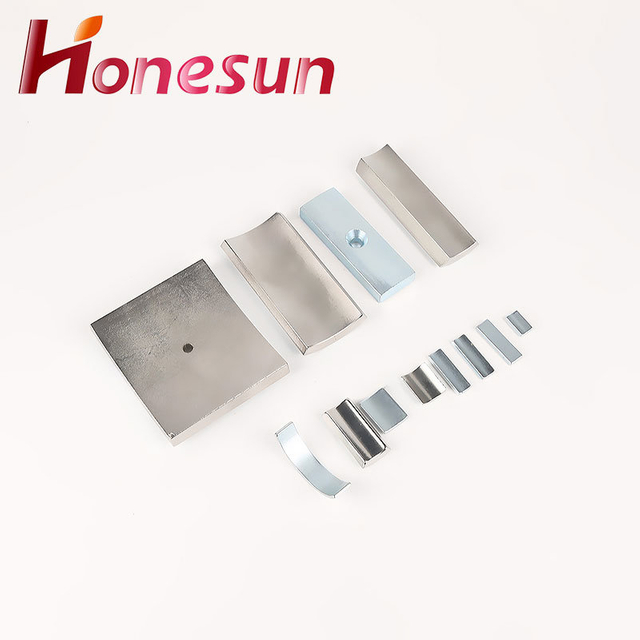
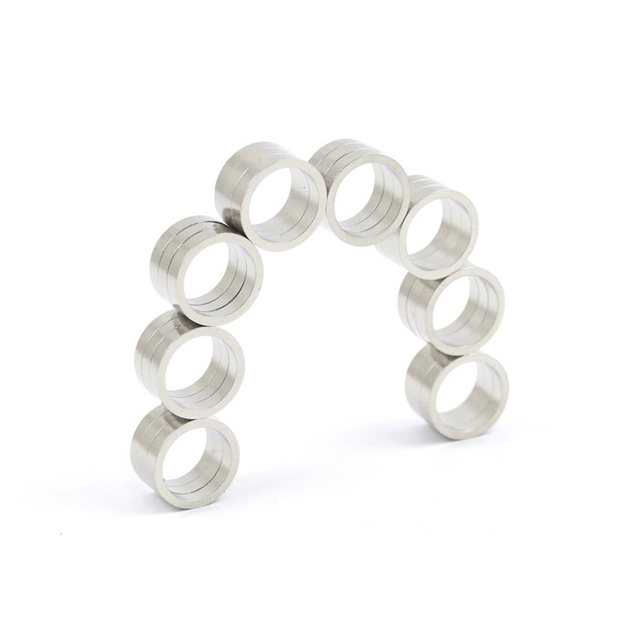
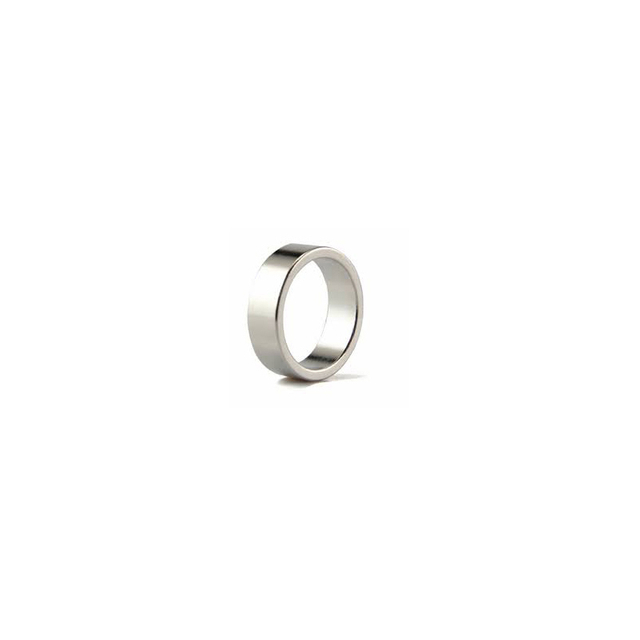
Neodymium magnets come in a variety of shapes and sizes, including: 1. Disc/Cylinder: These are the most common shape for neodymium magnets and are available in various diameters and thicknesses. 2. Block/Rectangular: These magnets have a rectangular shape and are available in different lengths, widths, and thicknesses. 3. Ring: These magnets have a hole in the center and are available in various outer diameters and inner diameters. 4. Sphere/Ball: These magnets are spherical in shape and are available in different diameters. 5. Arc/Segment: These magnets have a curved shape and are available in different angles, lengths, and thicknesses. 6. Countersunk: These magnets have a flat top with a countersunk hole for easy mounting and are available in various diameters and depths. 7. Custom shapes: Neodymium magnets can also be custom-made into various shapes and sizes according to specific requirements. The sizes of neodymium magnets can range from as small as a few millimeters to as large as several inches in diameter. The strength of the magnet is not necessarily determined by its size, but rather by its grade or magnetic material composition.
Honesun Industrial Co., Ltd. focuses on designing, researching, developing, manufacturing and selling Magnets and Magnetic Assemblies. With more than 15 years' rich experience and considerate services.we have been recognized as a reliable.