Views: 6 Author: Site Editor Publish Time: 2024-02-28 Origin: Site
Honesun Industrial Co., Ltd. Neodymium Magnets Company has been committed to providing top-notch neodymium magnets to our customers. Our advanced production facility, located in a modern and well-developed industrial zone, is equipped with the latest technology and machinery, allowing us to produce magnets with precise dimensions, shapes, and magnetic properties.
Our team of experienced and skilled professionals ensures that every magnet we produce meets the highest quality standards. We follow strict quality control procedures at every stage of production, from material selection to final inspection, to ensure that our magnets deliver superior performance and durability.
At Honesun, we offer a wide range of neodymium magnets in various shapes, sizes, and grades to meet diverse industry requirements. Our product range includes block magnets, disc magnets, ring magnets, arc magnets, and custom-shaped magnets. We also provide magnet assemblies, such as magnetic filters, magnetic hooks, and magnetic name badge holders. Our neodymium magnets are available in different coatings, including nickel, zinc, epoxy, PTFE, and gold, to meet specific application needs. We also offer magnets with different temperature ratings, ranging from 80°C to 200°C, to ensure their suitability in various environments.
Our magnets are ideal for a variety of applications, such as magnetic separation, magnetic levitation, magnetic resonance imaging (MRI), and magnetic couplings, to name a few. We continue to expand our product range and develop new applications for our magnets, in collaboration with our clients, to cater to their evolving needs.
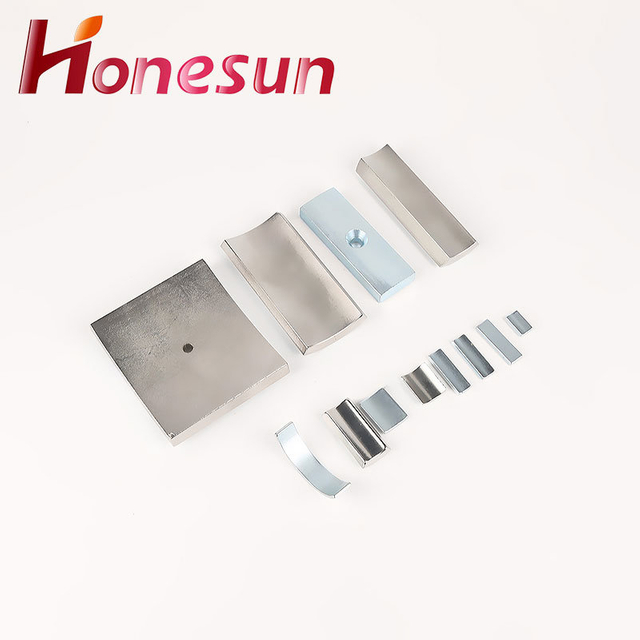
Neodymium magnets are powerful and versatile materials that have a variety of practical applications. These strong permanent magnets are made from the rare earth element neodymium, iron, and boron, and are known for their incredible strength and durability. One of the main uses for neodymium magnets is in electronic devices, where they are essential components in speakers, hard drives, and even headphones. Additionally, neodymium magnets are commonly used in industrial settings for lifting and holding heavy objects. They are also commonly found in household items like refrigerator magnets, magnetic closures for doors and cabinets, and as a handy tool for DIY projects. With their strength and versatility, neodymium magnets have become an essential material in multiple applications and continue to revolutionize a wide range of industries.
Neodymium magnets are some of the strongest permanent magnets available, with maximum holding powers unmatched by any other type of magnet. These powerful magnets are made from a rare earth mineral that is incredibly strong, making them ideal for securing objects in various settings. From industrial applications to everyday household use, neodymium magnets provide maximum holding power, ensuring your objects stay in place with ease. Their small size and strong magnetic field make them perfect for a wide range of applications, allowing you to safely secure even the most delicate or heavy objects. With neodymium magnets, you can have peace of mind knowing your items will stay securely in place.
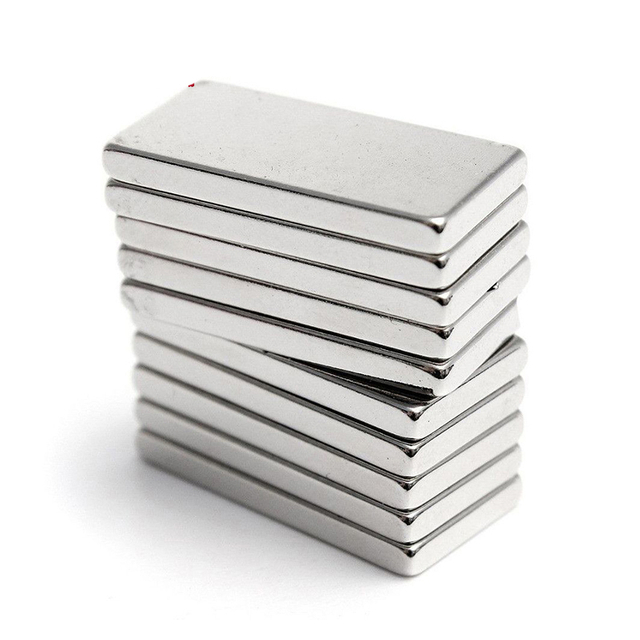
Hi everyone, today we are excited to introduce a revolutionary product to you - the neodymium magnet. Neodymium magnets, also known as rare earth magnets, are currently the strongest type of permanent magnet available. They are made from a combination of neodymium, iron, and boron, giving them immense magnetic power. These magnets are essential in various industries, including manufacturing, aerospace, electronics, and medical fields. They have a wide range of applications, from creating electric motors, generators, and speakers to serving as magnetic closures for purses and jewelry. Compared to other permanent magnets, neodymium magnets have higher flux density and coercivity, making them ideal for high-performance applications. With their small size and powerful magnetic force, these magnets have revolutionized the industry and opened up new possibilities for innovation. We are proud to offer a wide selection of neodymium magnets in various shapes and sizes to meet your specific needs. Give our neodymium magnets a try and see for yourself the endless possibilities they can offer.
1.How does the production of neodymium magnets impact the environment?
The production of neodymium magnets has a significant impact on the environment due to the extraction and processing of the raw materials, as well as the energy and resources required for manufacturing. 1. Mining and Extraction: Neodymium magnets are made from rare earth elements, including neodymium, which are primarily mined in China. The mining process involves the use of heavy machinery, explosives, and chemicals, which can cause soil erosion, water pollution, and habitat destruction. The mining of rare earth elements has also been linked to human rights abuses and health hazards for workers. 2. Processing: After the raw materials are mined, they are processed using a variety of chemicals and energy-intensive processes. This can result in air and water pollution, as well as the generation of hazardous waste. 3. Energy Consumption: The production of neodymium magnets requires a significant amount of energy, primarily from fossil fuels. This contributes to greenhouse gas emissions and climate change. 4. Waste Generation: The manufacturing process of neodymium magnets produces a significant amount of waste, including toxic chemicals and metal shavings. Improper disposal of this waste can lead to soil and water contamination. 5. End-of-Life Disposal: Neodymium magnets have a limited lifespan and are often discarded after use. The disposal of these magnets can be challenging as they contain toxic materials that can leach into the environment if not properly managed. Overall, the production of neodymium magnets has a considerable impact on the environment, including air and water pollution, habitat destruction, and contribution to climate change. It is essential to implement sustainable practices in the production and disposal of these magnets to minimize their environmental impact.
2.How are neodymium magnets manufactured and what materials are used in the process?
Neodymium magnets are manufactured using a process called sintering, which involves compacting and heating a mixture of neodymium, iron, and boron powders in a strong magnetic field. The materials used in this process include: 1. Neodymium: This is a rare earth element that is the main component of neodymium magnets. It is a silvery-white metal that is highly reactive and must be stored in airtight containers to prevent oxidation. 2. Iron: Iron is used in the manufacturing process to help increase the magnetic strength of the neodymium magnets. It is also used to help stabilize the magnets and prevent them from becoming demagnetized. 3. Boron: Boron is another important component of neodymium magnets. It helps to increase the magnetic strength and stability of the magnets. 4. Other additives: In addition to the main components, other materials such as cobalt, nickel, and aluminum may be added to the mixture to further enhance the magnetic properties of the neodymium magnets. The manufacturing process for neodymium magnets involves the following steps: 1. Mixing: The neodymium, iron, and boron powders are mixed together in precise proportions to create a uniform mixture. 2. Pressing: The mixture is then pressed into a desired shape using a hydraulic press. This helps to compact the powder and remove any air pockets. 3. Sintering: The pressed magnets are then placed in a furnace and heated to a high temperature (around 1000°C) in the presence of a strong magnetic field. This causes the particles to bond together and form a solid magnet. 4. Machining: After sintering, the magnets are cooled and then machined to their final shape and size using diamond cutting tools. 5. Coating: To protect the magnets from corrosion, they are coated with a layer of nickel, copper, or epoxy resin. 6. Magnetization: The final step in the manufacturing process is magnetization, where the magnets are exposed to a strong magnetic field to align the magnetic domains and give them their final magnetic properties. Overall, the manufacturing process for neodymium magnets is complex and requires precise control of the materials and conditions to produce magnets with the desired properties.
3.How do neodymium magnets compare to other rare earth magnets?
Neodymium magnets are a type of rare earth magnet, along with samarium cobalt magnets. They are the strongest type of permanent magnet available, with a maximum energy product (BHmax) of up to 52 MGOe (mega-gauss-oersteds). This makes them significantly stronger than other types of magnets, such as ceramic (ferrite) magnets, which have a BHmax of only 3.5 MGOe. In addition to their strength, neodymium magnets also have a high resistance to demagnetization, making them ideal for use in high-performance applications. They are also relatively inexpensive compared to other rare earth magnets, making them a popular choice for a wide range of industrial, commercial, and consumer applications. However, neodymium magnets are also more brittle and prone to corrosion than other types of magnets, so they require careful handling and protective coatings to prevent damage. They are also sensitive to high temperatures, with a maximum operating temperature of around 200°C, which can limit their use in certain applications. Overall, neodymium magnets are the strongest and most widely used type of rare earth magnet, offering a unique combination of strength, resistance, and affordability.
4.How do neodymium magnets contribute to the performance of headphones and speakers?
Neodymium magnets are commonly used in headphones and speakers due to their strong magnetic field and high energy density. This allows for a more efficient conversion of electrical energy into sound waves, resulting in better overall performance. Specifically, neodymium magnets contribute to the performance of headphones and speakers in the following ways: 1. Improved sound quality: The strong magnetic field of neodymium magnets allows for a more precise and accurate movement of the speaker cone, resulting in clearer and more detailed sound reproduction. 2. Increased sensitivity: Neodymium magnets have a high energy density, which means they can produce a stronger magnetic field with a smaller size. This allows for a more sensitive and responsive speaker, producing a wider range of frequencies and a more dynamic sound. 3. Compact design: Due to their high energy density, neodymium magnets can be made smaller and lighter than other types of magnets. This allows for a more compact and lightweight design of headphones and speakers, making them more portable and comfortable to wear. 4. Better bass response: The strong magnetic field of neodymium magnets allows for a more powerful and controlled movement of the speaker cone, resulting in a deeper and more impactful bass response. 5. Lower distortion: Neodymium magnets have a high coercivity, which means they are less susceptible to demagnetization. This results in lower distortion and a more accurate sound reproduction. Overall, neodymium magnets play a crucial role in the performance of headphones and speakers, providing better sound quality, sensitivity, and design while reducing distortion.
5.Are neodymium magnets affected by external magnetic fields?
Yes, neodymium magnets can be affected by external magnetic fields. They are made of a material called neodymium-iron-boron, which is a ferromagnetic material. This means that it can be magnetized and demagnetized by external magnetic fields. If a strong enough external magnetic field is applied, it can cause the neodymium magnet to lose its magnetization and become demagnetized. This is known as magnetic saturation. Additionally, if the external magnetic field is strong enough, it can even reverse the polarity of the neodymium magnet, causing it to repel instead of attract.
6.Do neodymium magnets have any negative effects on electronic devices?
Yes, neodymium magnets can have negative effects on electronic devices if they are not properly shielded or if they come into direct contact with sensitive components. The strong magnetic field of neodymium magnets can interfere with the functioning of electronic devices, causing malfunctions or even permanent damage. It is important to keep neodymium magnets away from electronic devices and to use proper shielding when necessary.
7.How does the size of a neodymium magnet affect its strength?
The size of a neodymium magnet does not directly affect its strength. The strength of a neodymium magnet is determined by its magnetic material composition, specifically the amount of neodymium, iron, and boron used in its production. However, larger neodymium magnets may have a higher magnetic pull force due to their larger surface area, which allows for a stronger magnetic field to be generated. Additionally, larger neodymium magnets may also have a higher maximum energy product (the measure of a magnet's strength) due to their larger volume.
8.What are neodymium magnets and how do they differ from other types of magnets?
Neodymium magnets, also known as NdFeB magnets, are a type of permanent magnet made from an alloy of neodymium, iron, and boron. They are the strongest type of permanent magnet commercially available, with a maximum energy product (BHmax) of up to 52 MGOe (mega-Gauss-oersteds). They are commonly used in a wide range of applications, including electric motors, generators, magnetic separators, and magnetic resonance imaging (MRI) machines. Neodymium magnets differ from other types of magnets in several ways: 1. Strength: As mentioned, neodymium magnets are the strongest type of permanent magnet available. They have a much higher magnetic energy than other types of magnets, such as ceramic or alnico magnets. 2. Size: Due to their high strength, neodymium magnets can be made much smaller than other types of magnets while still maintaining their magnetic properties. This makes them ideal for use in compact devices and applications where space is limited. 3. Cost: Neodymium magnets are relatively inexpensive compared to other types of magnets, making them a popular choice for many applications. 4. Corrosion resistance: Neodymium magnets are prone to corrosion, so they are often coated with a protective layer of nickel, copper, or other materials to prevent rusting. 5. Temperature resistance: Neodymium magnets have a high Curie temperature (the temperature at which they lose their magnetism), making them suitable for use in high-temperature applications. 6. Brittle: Neodymium magnets are very brittle and can easily break or chip if not handled carefully. They are also susceptible to demagnetization if exposed to strong magnetic fields. Overall, neodymium magnets are a popular choice for many applications due to their high strength, small size, and relatively low cost. However, they do have some limitations, such as their susceptibility to corrosion and brittleness, which must be taken into consideration when using them in different applications.
9.How are neodymium magnets used in magnetic resonance imaging (MRI) scanners?
Neodymium magnets are used in MRI scanners to create a strong and uniform magnetic field. This magnetic field is essential for the functioning of the MRI machine as it helps to align the protons in the body's tissues. The stronger the magnetic field, the better the image quality produced by the MRI scanner. Neodymium magnets are preferred for use in MRI scanners because they have a high magnetic strength and can maintain their magnetism over a long period of time. This is important as MRI scanners need to operate continuously for extended periods of time. The neodymium magnets used in MRI scanners are typically in the form of cylindrical or rectangular blocks. These magnets are arranged in a specific configuration to create a strong and uniform magnetic field within the scanner. The strength of the magnetic field can range from 0.5 to 3 Tesla, with higher field strengths producing better image quality. In addition to creating the magnetic field, neodymium magnets are also used in the gradient coils of the MRI scanner. These coils produce a varying magnetic field that is used to spatially encode the signals from the body's tissues, allowing for the production of detailed images. Overall, neodymium magnets play a crucial role in the functioning of MRI scanners and are essential for producing high-quality images for medical diagnosis and research.
10.How long do neodymium magnets typically last before losing their magnetism?
Neodymium magnets can last for decades without losing their magnetism, as long as they are not exposed to extreme temperatures or strong magnetic fields. However, over time, they may experience a slight decrease in their magnetic strength due to natural processes such as oxidation. This decrease is usually very small and may not be noticeable in everyday use. With proper care and storage, neodymium magnets can maintain their magnetism for a very long time.
11.What are the different shapes and sizes available for neodymium magnets?
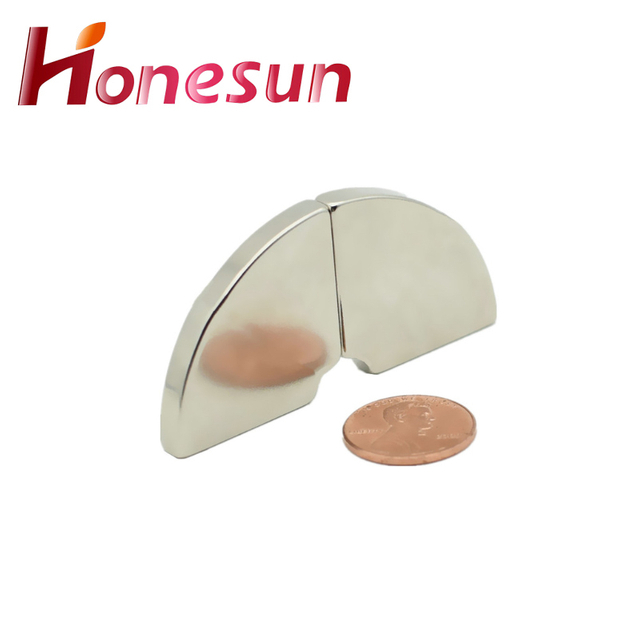
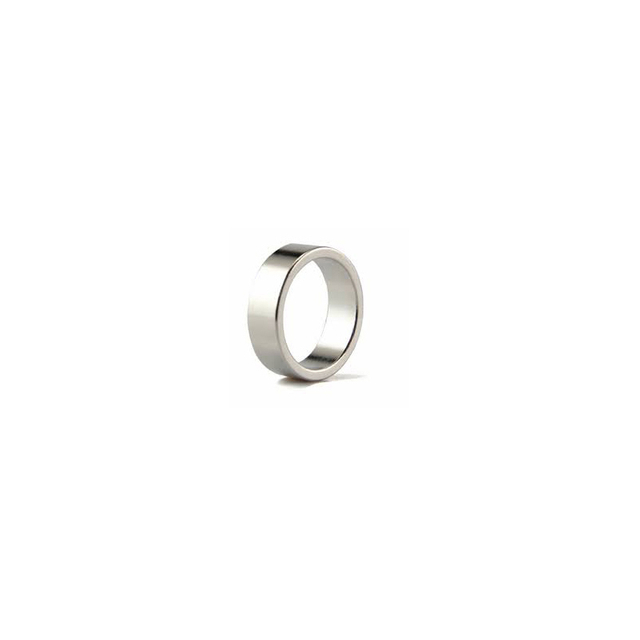
Neodymium magnets come in a variety of shapes and sizes, including: 1. Disc/Cylinder: These are the most common shape for neodymium magnets and are available in various diameters and thicknesses. 2. Block/Rectangular: These magnets have a rectangular shape and are available in different lengths, widths, and thicknesses. 3. Ring: These magnets have a hole in the center and are available in various outer diameters and inner diameters. 4. Sphere/Ball: These magnets are spherical in shape and are available in different diameters. 5. Arc/Segment: These magnets have a curved shape and are available in different angles, lengths, and thicknesses. 6. Countersunk: These magnets have a flat top with a countersunk hole for easy mounting and are available in various diameters and depths. 7. Custom shapes: Neodymium magnets can also be custom-made into various shapes and sizes according to specific requirements. The sizes of neodymium magnets can range from as small as a few millimeters to as large as several inches in diameter. The strength of the magnet is not necessarily determined by its size, but rather by its grade or magnetic material composition.
12.What precautions should be taken when handling neodymium magnets?
1. Wear protective gear: Neodymium magnets are very strong and can easily pinch or crush fingers. It is important to wear protective gloves and safety glasses when handling them. 2. Keep away from electronic devices: Neodymium magnets are very powerful and can interfere with electronic devices such as pacemakers, credit cards, and computer hard drives. Keep them at least 20 cm away from these devices. 3. Store properly: Neodymium magnets should be stored in a cool, dry place away from other magnets or magnetic materials. They should also be kept away from children and pets. 4. Handle with care: Neodymium magnets are brittle and can break easily if dropped or slammed together. Handle them with care to avoid damage. 5. Keep away from metal objects: Neodymium magnets are attracted to metal objects and can snap together with great force. Keep them away from metal objects to avoid accidents. 6. Use caution when separating magnets: When separating two neodymium magnets, use caution and slowly slide them apart. Do not pull them apart as they can snap together and cause injury. 7. Do not heat or burn: Neodymium magnets can lose their magnetic properties if heated above 80°C (176°F). Do not heat or burn them as it can also release toxic fumes. 8. Do not swallow: Neodymium magnets are not toys and should not be swallowed. If ingested, seek medical attention immediately. 9. Use in a controlled environment: Neodymium magnets should be used in a controlled environment to avoid accidents. Do not use them near machinery or in areas with high foot traffic. 10. Dispose of properly: When disposing of neodymium magnets, do not throw them in the trash. Contact your local waste management facility for proper disposal methods.
13.What is the maximum temperature that neodymium magnets can withstand?
The maximum temperature that neodymium magnets can withstand is approximately 80°C (176°F). At temperatures above this, the magnets will start to lose their magnetic properties and may become permanently demagnetized.
Honesun Industrial Co., Ltd. focuses on designing, researching, developing, manufacturing and selling Magnets and Magnetic Assemblies. With more than 15 years' rich experience and considerate services.we have been recognized as a reliable.