Views: 4 Author: Site Editor Publish Time: 2024-02-21 Origin: Site
Flexible magnets, also known as rubber magnets, are a type of permanent magnet that is made from a flexible and resilient rubber-like material and can be bent, twisted and shaped into various forms. They are widely used in a variety of applications such as refrigerator magnets, promotional magnets, magnetic signs, and magnetic toys. The materials used to make flexible magnets play a crucial role in their strength, durability, and flexibility. In this article, we will explore the materials that are commonly used to make flexible magnets.
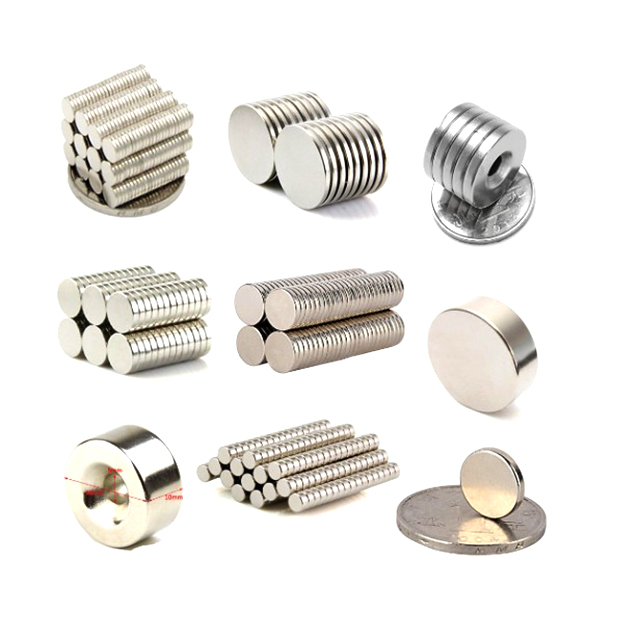
1. Ferrite Magnetic Powder
Ferrite magnetic powder is the most commonly used material in the production of flexible magnets. It is made from a combination of iron oxide and strontium carbonate or barium carbonate, which are mixed together and then heated to a high temperature to form a solid, magnetic material. The resulting ferrite powder is then mixed with a flexible rubber binder, such as polyvinyl chloride (PVC), to create a soft and rubbery magnetic material.
Ferrite magnetic powder is favored for its low cost, high magnetic strength, and good resistance to demagnetization. It is also non-toxic and has a wide temperature range for use, making it suitable for many applications.
2. Isotropic or Anisotropic Rubber Compound
The flexible rubber binder that is used to hold the ferrite magnetic powder together is an essential component of flexible magnets. This binder can be either isotropic or anisotropic, depending on the application of the magnet. Isotropic rubber compounds are made from natural or synthetic rubber, with no alignment of the magnetic particles during manufacturing. As a result, these magnets have a uniform magnetic field in all directions, making them suitable for applications with no specific pole orientation requirements, such as refrigerator magnets.
On the other hand, anisotropic rubber compounds are made using synthetic rubber and have magnetic particles that are aligned in a specific direction during manufacturing. This gives the magnets a higher magnetic strength and allows for specific pole orientation, making them suitable for more specialized applications, such as magnetic signs.
3. Plasticizers
Plasticizers are chemicals that are added to the rubber binder to make it more flexible and elastic. Without plasticizers, the rubber binder would be stiff and brittle, making it difficult to bend or shape the magnet. Some common plasticizers used in flexible magnets include diisononyl phthalate (DINP) and dioctyl phthalate (DOP). These plasticizers also help to improve the resistance of the magnets to heat and cold, making them suitable for use in a wide range of temperatures.
4. Additives
Various additives can be added to the rubber binder to enhance the properties of flexible magnets. For instance, fillers such as carbon black are added to improve the tensile strength and toughness of the material. Pigments can also be added to give magnets different colors, which is particularly useful in promotional magnets or magnetic signs.
5. Bonding Agents
To allow for the bonding of other materials to the magnets, such as adhesive or printable surfaces, bonding agents are added to the rubber binder. These bonding agents improve the adhesion of the magnets to other surfaces, ensuring that it remains firmly attached.
6. Release Liners
Release liners are a paper or plastic film that is placed on the surface of the rubber binder during the manufacturing process. They are used to prevent the flexible magnet from sticking to itself or other surfaces, making it easier to cut and mold into the desired shape.
7. Magnetic Strips or Sheets
To increase the magnetic strength of flexible magnets, magnetic strips or sheets can be added to the rubber binder during the manufacturing process. These strips or sheets are made from ferrite or neodymium magnetic material and are placed in between layers of rubber. This results in a stronger magnet that can hold more weight or adhere to metal surfaces more strongly.
In conclusion, flexible magnets are made from a combination of different materials that work together to create a durable, flexible and magnetic material. The choice of materials used depends on the desired properties and intended application of the magnet. With the right combination of materials, flexible magnets can be used in a wide range of industries, making them a versatile and essential product.
Tag: Flexible Magnet, Ferrite Magnet, AlNiCo Magnet
Honesun Industrial Co., Ltd. focuses on designing, researching, developing, manufacturing and selling Magnets and Magnetic Assemblies. With more than 15 years' rich experience and considerate services.we have been recognized as a reliable.